
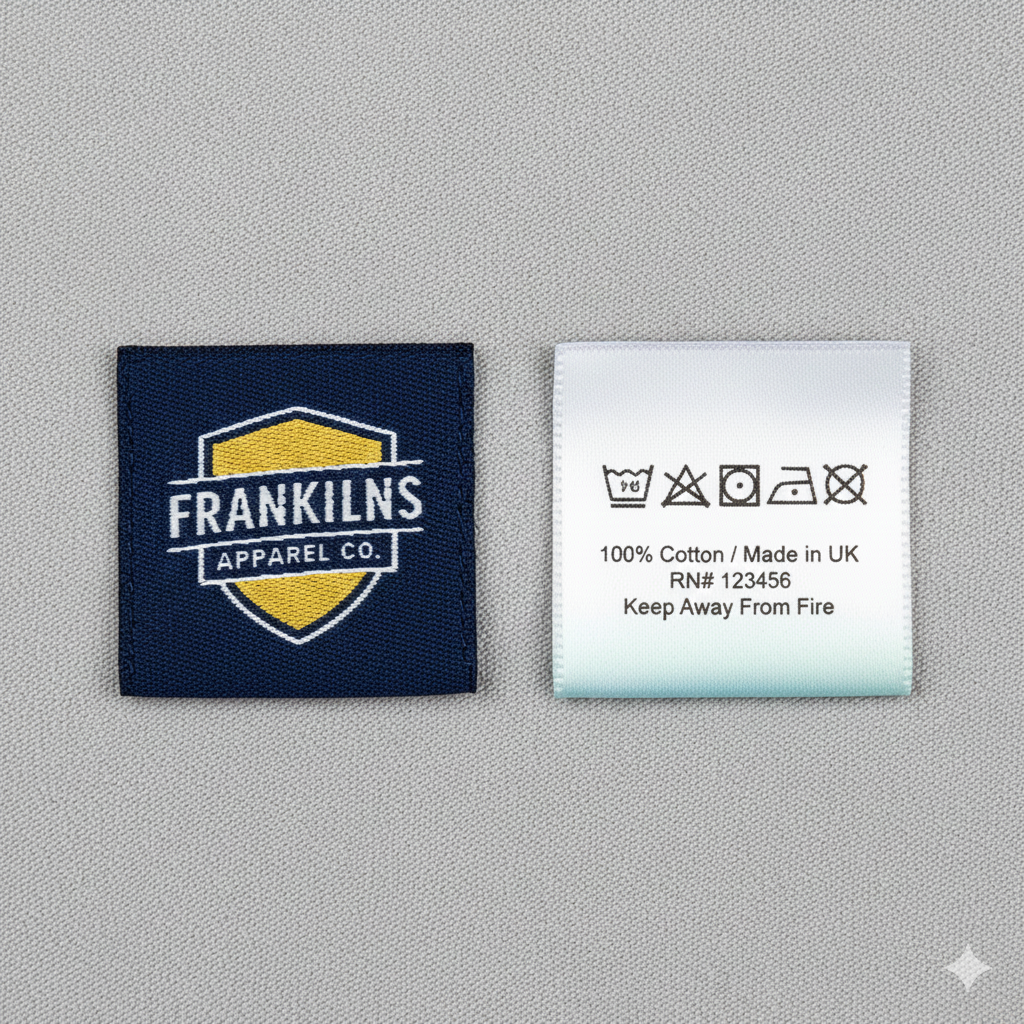
Woven Labels vs Printed Labels: Which Is Better for Your Brand?
In the world of clothing and product branding, labels are more than just a place to display your logo. They influence how customers perceive quality, durability, and trust in your brand. Two of the most popular choices today are woven labels and printed labels—but which one is right for your products?
This guide breaks down the differences, advantages, and ideal use cases for each so you can make the best decision for your brand.
What Are Woven Labels?
Woven labels are created by weaving threads together to form your logo, text, and design. Because the design is stitched into the fabric, it becomes part of the label itself.
Key Features
-
Durable and long-lasting
-
High-end look and feel
-
Doesn’t fade easily
-
Soft texture depending on thread quality (e.g., damask woven labels)
What Are Printed Labels?
Printed labels use ink to transfer your design onto the label material—usually satin, cotton, or polyester.
Key Features
-
Cost-effective for small orders
-
Allows high detail and multiple colours
-
Smooth, soft finish
-
Faster to produce
Woven Labels: Pros and Cons
Advantages
-
Premium appearance suitable for luxury and mid-range fashion
-
Highly durable, ideal for clothing requiring frequent washing
-
Strong brand visibility due to clean, textured designs
-
Adds perceived value to your product
Disadvantages
-
Not ideal for extremely detailed designs
-
Slightly higher production cost
-
Longer turnaround time compared to printed labels
| Feature | Description | Ideal for Franklins‘ Clients |
| Identification | Design is permanent, highly visible, and textured. | Security, corporate, and school uniforms where clear, lasting ID is essential. |
| Durability | Extremely Durable. Guaranteed not to fade, crack, or wash out, even with high-temperature or industrial laundering. | High-wear items that require frequent, aggressive washing. |
| Perception | Premium, professional feel. Adds immediate perceived quality and value to the product. | Branding for luxury apparel or high-end promotional textiles. |
| Key Materials | Damask (finest detail, high-end weave), Satin (luxurious sheen), Taffeta (economical, robust basic weave). |
Printed Labels: Pros and Cons
Advantages
-
Perfect for detailed artwork, gradients, and small text
-
Budget-friendly, especially for new brands
-
Fast production, making it ideal for bulk or urgent orders
-
Works well for care labels, size tags, and inside neck labels
Disadvantages
-
Ink can fade over time with washing
-
Doesn’t give the “premium” textured finish
-
Less durable than woven labels
| Feature | Description | Ideal Use Case |
| Detail Handling | High Detail. Perfect for reproducing tiny text, thin lines, and international regulatory symbols. | Mandatory care/wash instructions where precise symbols are required. |
| Cost & Speed | Highly cost-effective and faster to produce than woven labels. | Internal tags where cost and speed are prioritized over longevity. |
| Comfort | Very soft and smooth. | Used for items that touch sensitive skin, such as internal neck tags or babywear. |
Woven vs Printed Labels: Quick Comparison
| Feature | Woven Labels | Printed Labels |
|---|---|---|
| Durability | High | Moderate |
| Detail Handling | Medium | High |
| Cost | Higher | Lower |
| Production Time | Longer | Faster |
| Feel/Texture | Textured, premium | Smooth, soft |
| Best For | Apparel brands, premium wear | Care labels, detailed designs |
Which One Is Better for Your Brand?
Choose Woven Labels If:
-
You want a luxury or premium brand image
-
Your clothes go through frequent washing cycles
-
You prefer a classic, textured label look
-
Your design does not include highly detailed elements
Choose Printed Labels If:
-
You are a startup or working with a tight budget
-
Your design includes multiple colours, gradients, or fine details
-
You need fast turnaround
-
You’re producing care labels, wash instructions, or neck tags
Final Verdict
Both woven and printed labels have their unique strengths, and the best choice depends on your brand’s identity, product type, and budget.
-
Woven labels: Best for long-lasting, premium-looking branding.
-
Printed labels: Ideal for detailed designs, cost-effective production, and internal garment labels.
If your goal is to create a strong, lasting brand impression, woven labels often deliver a more premium feel. But for complex designs and lower costs, printed labels are the smarter choice.
Frequently Asked Questions (FAQs)
1. Are woven labels more durable than printed labels?
Yes, significantly. Woven labels are made from threads, making them fully resistant to fading, cracking, and damage from repeated washing, unlike ink-based printed labels.
2. Do printed labels fade after washing?
With repeated washes, the ink on printed labels may fade or crack slightly, depending on the ink quality, wash temperature, and detergent used.
3. Which labels are best for sensitive skin?
Satin printed labels (or soft printed cotton) are usually smoother and better for sensitive skin because the design is flat ink, minimizing irritation at the back of the neck.
4. Can woven labels handle detailed designs?
They can handle moderate detail (especially Damask weave) and block lettering perfectly. However, for extremely tiny text, photographic detail, or gradient colors, printed labels are better.
5. What label type is best for security/school uniforms?
Woven labels are best. Their superior durability ensures the identification and branding remain clear and legible through the constant, harsh washing cycles typical of uniforms and workwear.